
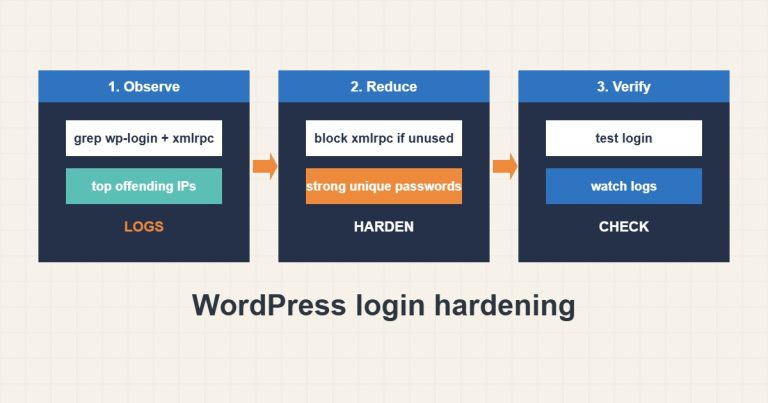
Reduce WordPress Login Attacks: xmlrpc.php, wp-login.php and Weak Passwords
Check your logs for login attacks, decide whether to block xmlrpc.php, use strong unique passwords and fewer administrators, and verify the changes.
Read articleProfessional portfolio
Practical technical guides about servers, hosting, WordPress, email, and infrastructure.
Check your logs for login attacks, decide whether to block xmlrpc.php, use strong unique passwords and fewer administrators, and verify the changes.
Read article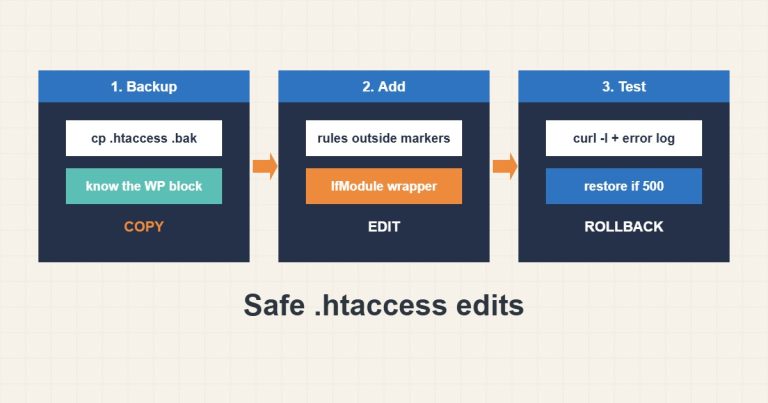
Edit .htaccess without breaking your site: back it up, keep custom rules outside the WordPress block, add security headers, test and roll back.
Read article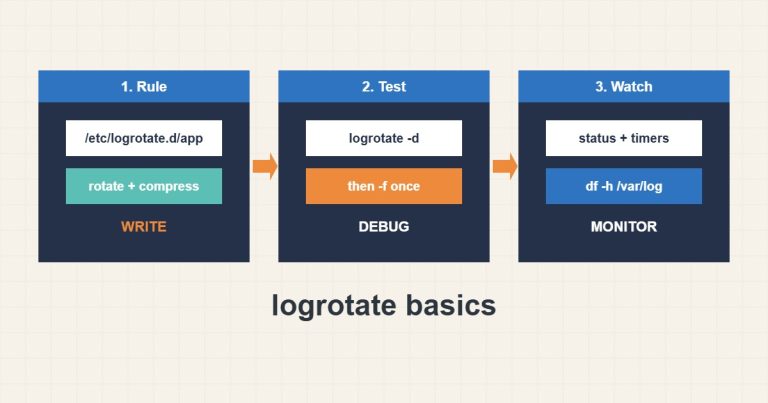
Write a logrotate rule for an app, test it with debug mode, handle postrotate reloads and check status so logs never fill the disk.
Read article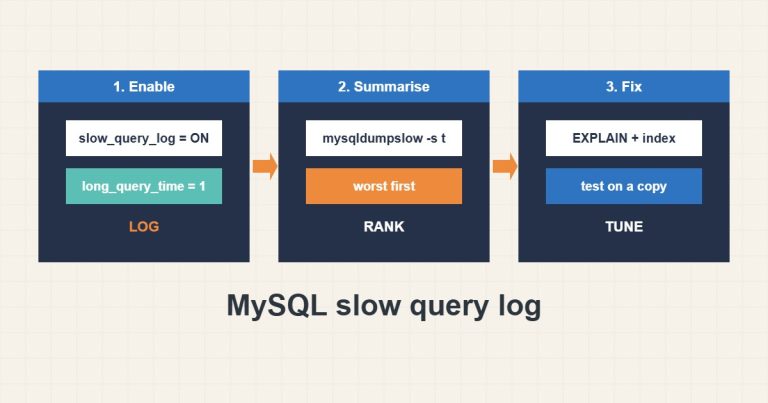
Enable the MySQL or MariaDB slow query log with a sensible threshold, summarise it with mysqldumpslow, read EXPLAIN and switch it off safely.
Read article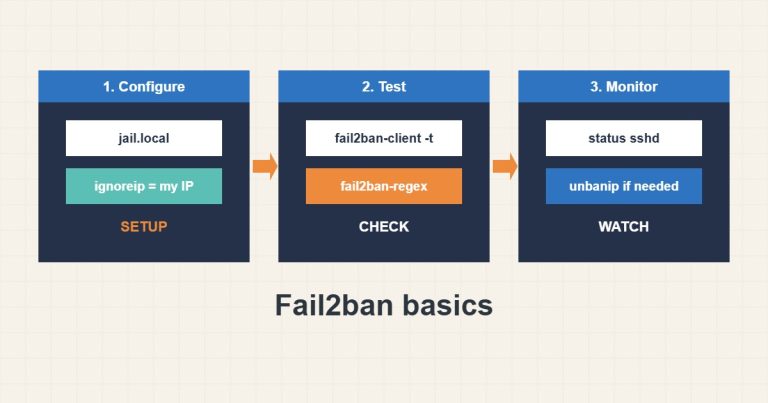
Set up fail2ban with jail.local, safe ban times and an ignore list, test the config, check status and unban yourself if needed.
Read article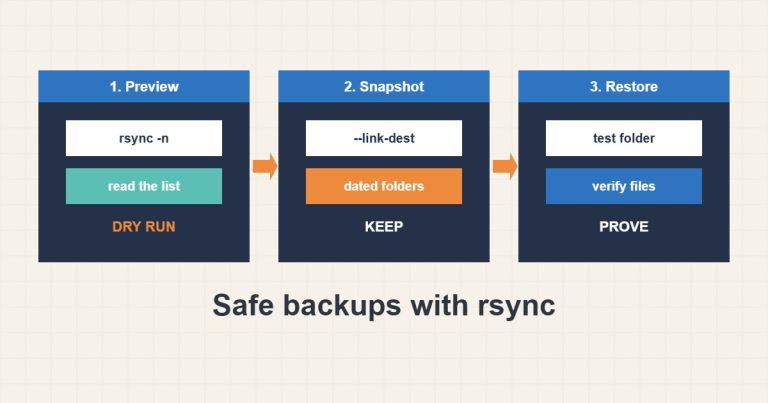
Use rsync for backups safely: trailing slash rules, a dry run before --delete, hard-link snapshots, excludes and a restore test.
Read article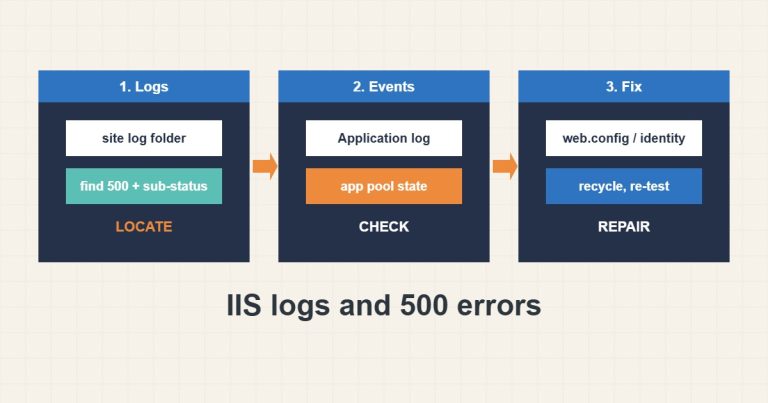
Find IIS log files, read status and sub-status codes, check Windows events and app pools, and troubleshoot HTTP 500 errors safely.
Read article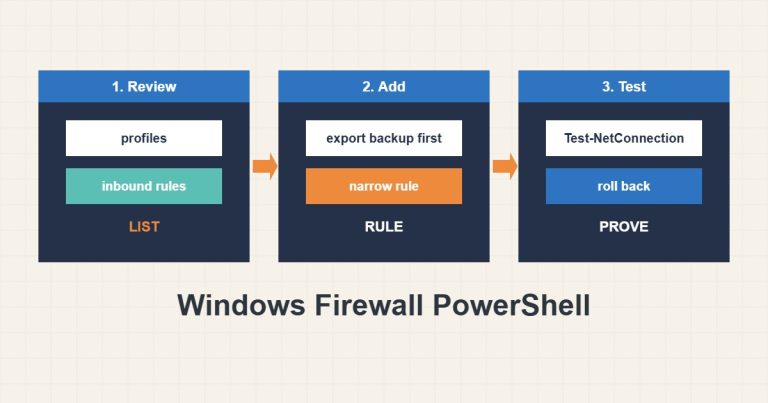
Review profiles, back up the policy, add a narrow inbound rule with PowerShell, test it and roll back if needed on Windows Server.
Read article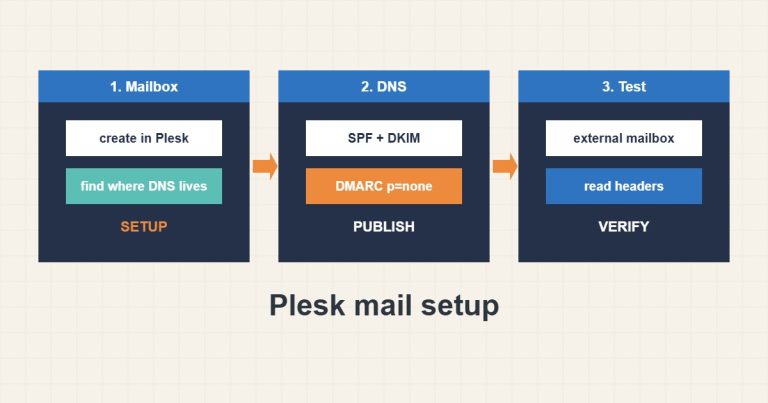
Create Plesk mailboxes and set SPF, DKIM and DMARC correctly, then verify DNS and the SMTP connection so mail reaches the inbox.
Read article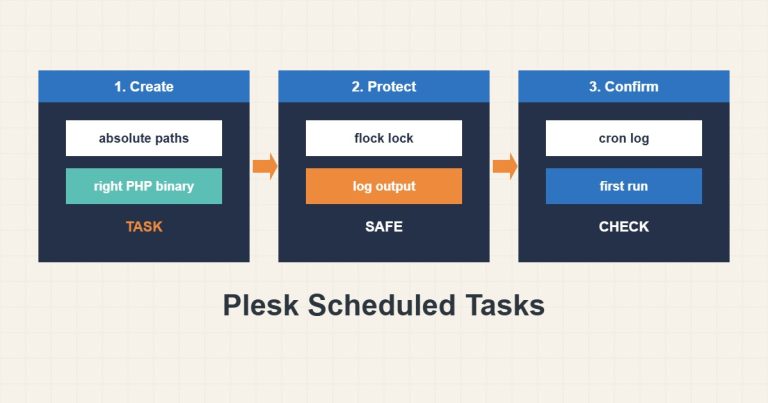
Create Plesk scheduled tasks with absolute paths, the right PHP binary, logging and a lock so jobs do not overlap.
Read article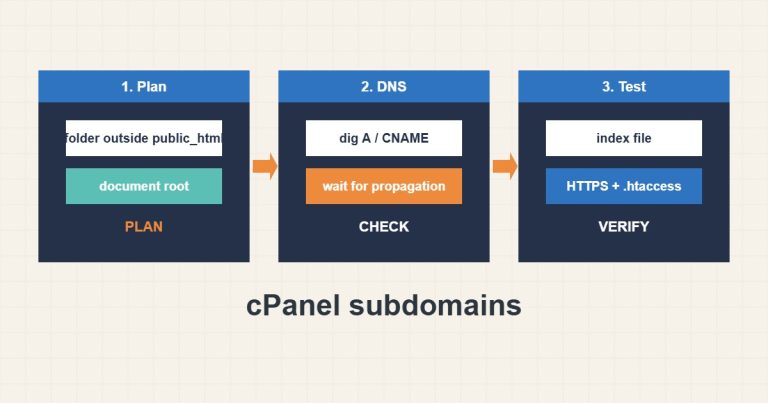
Create a cPanel subdomain with the right document root, check DNS and SSL, and avoid .htaccess conflicts with the main site.
Read article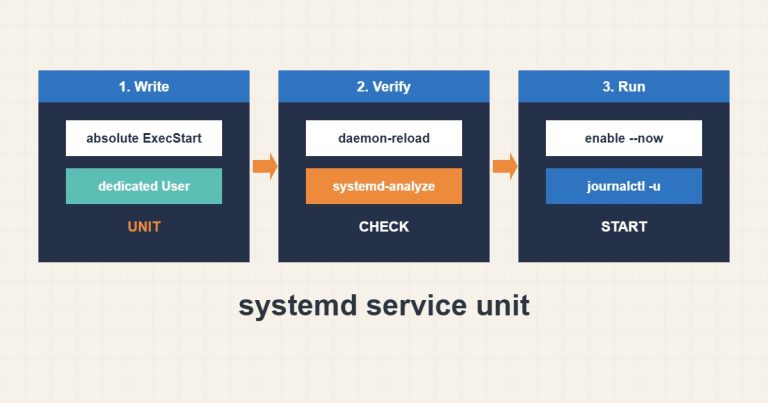
Create a systemd service for an application with a dedicated user, restart policy, environment file, logs and basic hardening, then verify it.
Read article